
Imagine if every cracked tooth, worn filling, or missing molar had an easy solution—no pain, no panic, just a path back to normal. That’s the promise of
restorative dentistry
. It’s not just about fixing problems—it’s about helping you chew comfortably, speak clearly, and smile with confidence again.
Let’s walk through what restorative care really looks like—and why it could be the key to protecting more than just your teeth.
What Is Restorative Dentistry?
Restorative dentistry
focuses on repairing or replacing damaged or missing teeth. It includes a wide range of treatments like fillings, crowns, bridges, dentures, and implants—anything designed to restore function and stability.
Whether your issue came from decay, injury, grinding, or wear over time, the goal is the same: get your teeth back to working like they should. Because when your mouth works properly, everything from digestion to daily communication improves.
What Treatments Are Considered Restorative?
Restorative procedures vary depending on the extent of the damage. Here are some of the most common services you might encounter:
Fillings:
Used to restore teeth with cavities or minor damage.
Crowns:
Cover and protect a tooth that’s been heavily filled, cracked, or weakened.
Bridges:
Replace one or more missing teeth by anchoring to neighboring healthy ones.
Dentures:
Removable replacements for multiple missing teeth—either partial or full sets.
Dental Implants:
Long-lasting artificial roots paired with crowns to replace missing teeth.
In many cases, your dentist may use a combination of these treatments to rebuild your bite and balance your smile.
Why Restorative Dentistry Matters for Overall Health
Restorative care is about more than just comfort or cosmetics. According to the National Institute of Dental and Craniofacial Research, untreated tooth decay is one of the most common chronic diseases—and it can spiral into bigger problems if ignored.
Benefits of restorative dentistry backed by research and clinical consensus include:
Better chewing ability
, which improves nutrition and digestion
Reduced risk of infection or inflammation
Protection for surrounding teeth
, preventing additional wear or shifting
Clearer speech and better facial symmetry
Improved confidence
and social ease
By restoring your bite and function, you reduce the risk of other teeth becoming damaged and stop small issues from turning into major ones.
Signs You Might Need Restorative Care
Sometimes dental damage is obvious—a broken tooth, a gap, or sudden sensitivity. But other times, the signs can be subtle:
Persistent tooth pain or pressure
A rough spot or hole you can feel with your tongue
Sensitivity to hot, cold, or sweet
Changes in the way your teeth fit together
Trouble chewing on one side
If any of these sound familiar, restorative treatment may help you avoid more invasive care later on.
A Custom Approach for Every Patient
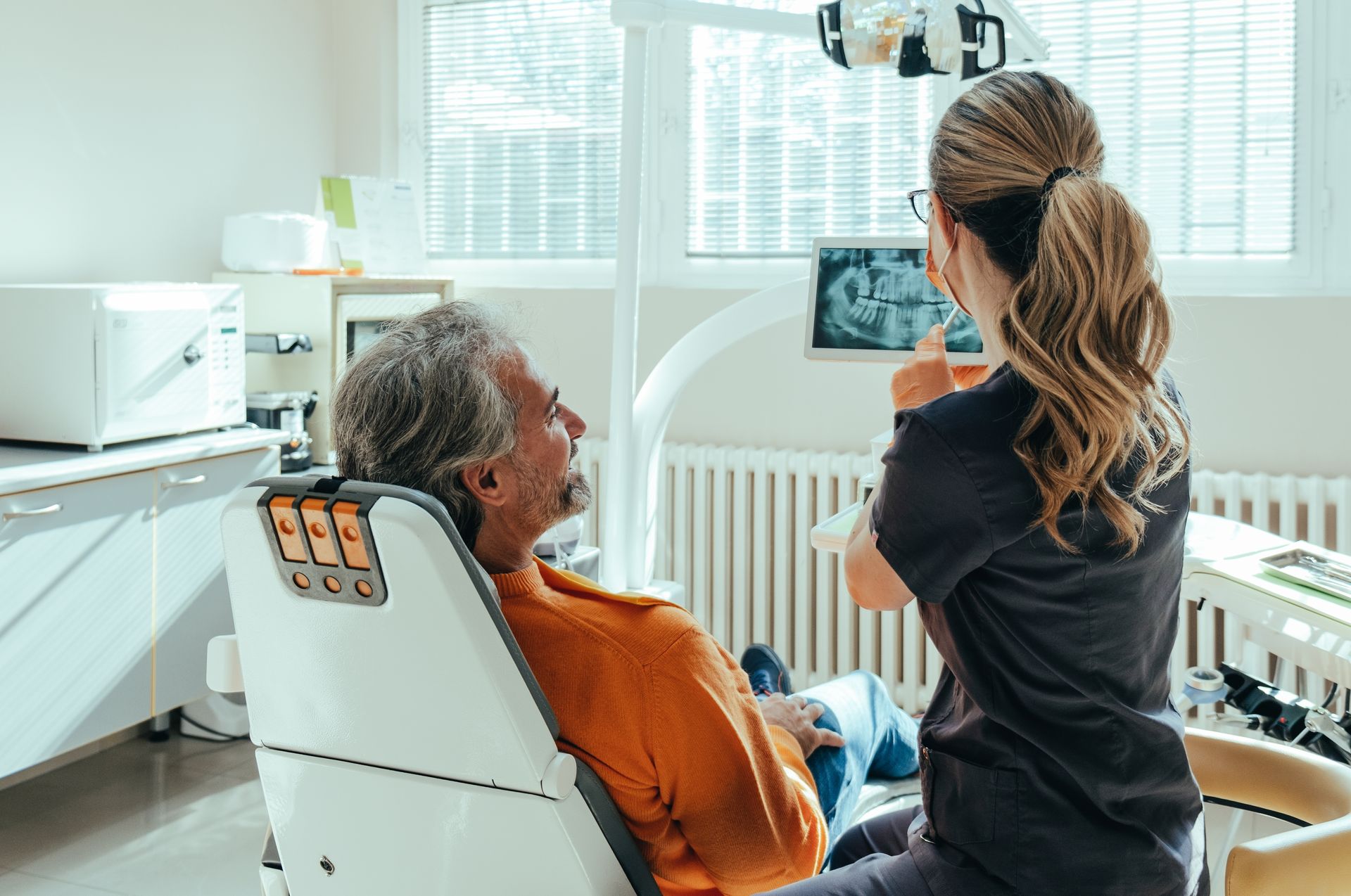
No two mouths are the same—and restorative dentistry isn’t one-size-fits-all. At your visit, your dentist will assess your teeth, take digital images, and develop a personalized plan based on your needs, goals, and comfort level.
Some patients need just a small filling; others might need multiple treatments spread out over time. Either way, the goal is the same: a healthy, functional, natural-looking smile.
Whether you’re dealing with damage now or just want to be ready when life throws a dental curveball,
restorative dentistry
is your path back to full oral health. Call
AB Dental and Oral Surgery
at
210-682-2700
or visit our San Antonio location to
book an appointment
and get started on a smile that works just as good as it looks.