
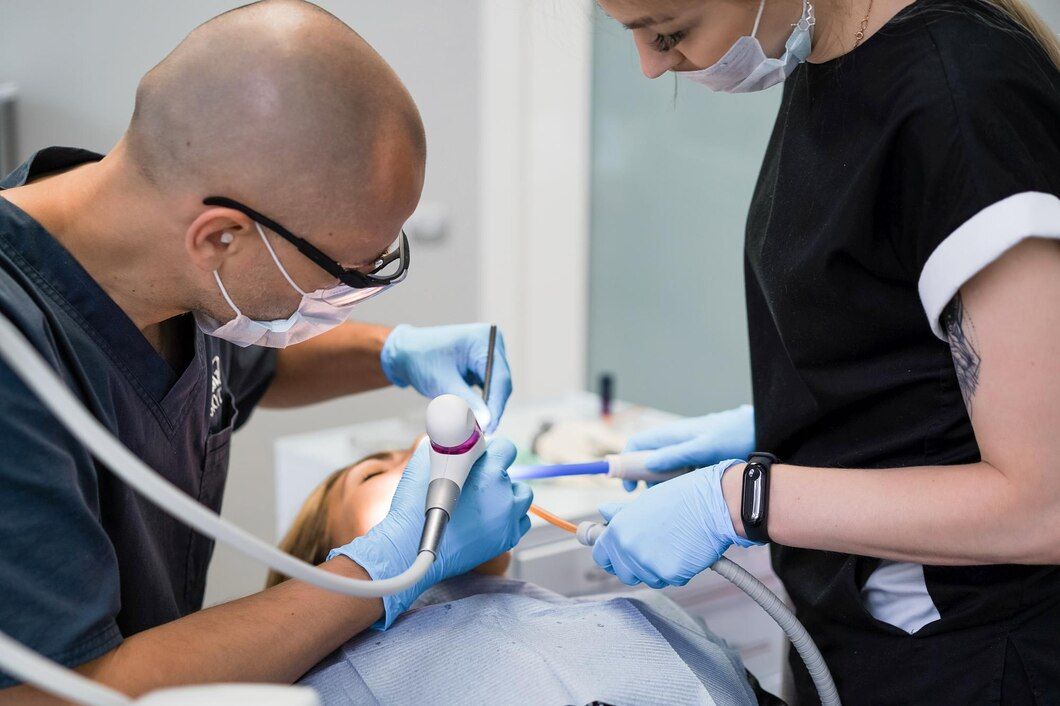
Dentistry is more than just cleaning teeth and filling cavities. General dentistry plays a crucial role in maintaining overall health and well-being. Many people visit their dentists simply for routine check-ups without fully understanding the extensive benefits that these visits provide. Regular dental visits help prevent future dental problems, improve overall health, and even detect early signs of serious health conditions.
General dentistry includes a wide range of procedures, from preventive care like regular cleanings and exams to more complex treatments such as fillings, crowns, and root canals. Each of these procedures goes beyond basic oral hygiene to address specific health needs and improve quality of life. For example, detecting and treating gum disease early can prevent tooth loss and other more severe health issues.
In addition, modern advancements in dental technology have made common procedures quicker, easier, and less painful. Understanding these innovations can ease any anxiety about dental visits and highlight the importance of maintaining regular check-ups. By gaining insight into what general dentistry entails, you can better appreciate the vital role it plays in keeping you healthy and smiling confidently.
The Role of General Dentistry in Preventive Care
Preventive care is a cornerstone of general dentistry. By focusing on preventing dental issues before they start, dentists help patients avoid more serious problems down the line. Regular check-ups allow dentists to monitor your oral health closely, identifying and addressing potential issues early on. These check-ups typically include a thorough examination, which can catch signs of cavities, gum disease, and other problems before they become severe.
Dentists also conduct professional cleanings during these visits. These cleanings are crucial because they remove plaque and tartar buildup that regular brushing and flossing can’t eliminate. Removing this buildup helps prevent cavities and gum disease, keeping your mouth healthy. Additionally, fluoride treatments and dental sealants provide extra layers of protection, especially for children.
Preventive care extends beyond what happens in the dentist’s office. Dentists educate patients on proper oral hygiene practices, such as the best ways to brush and floss and the importance of a healthy diet. By empowering patients with this knowledge, dentists assist them in maintaining good oral health between visits. This comprehensive approach to preventive care not only keeps teeth and gums healthy but also contributes to overall well-being.
Unexpected Benefits of Regular Dental Cleanings
Regular dental cleanings offer benefits that go beyond a sparkling smile. While the immediate result of clean, polished teeth is certainly a perk, these appointments provide several hidden advantages that might not be as obvious.
Firstly, dental cleanings help prevent bad breath. Plaque and tartar can harbor bacteria that produce unpleasant odors. By thoroughly cleaning your teeth, your hygienist helps reduce these bacteria, leaving your breath fresher. Additionally, regular cleanings can prevent gum disease, which is a major cause of bad breath.
Another surprising benefit is that dental cleanings can identify health issues early. During a cleaning, your dentist or hygienist will check for signs of problems like tooth decay, gum disease, and even oral cancer. Catching these issues early makes treatment easier and more effective. This proactive approach not only protects your oral health but also provides peace of mind.
Lastly, routine cleanings can save you money in the long run. By preventing serious dental issues, you avoid the need for more expensive treatments down the road. Investing in regular cleanings means fewer cavities, less gum disease, and fewer costly procedures. The combination of a brighter smile, fresher breath, and overall savings makes regular dental cleanings a wise choice.
Modern Techniques in Cavity Treatment
Cavity treatment has evolved significantly with modern dentistry, making procedures quicker, safer, and less painful. Traditional methods involved drilling to remove decayed parts of the tooth, which many people found uncomfortable. Today, advanced techniques provide more efficient and comfortable options for managing cavities.
One such technique is laser dentistry. Lasers can remove decayed tissue with precision, minimizing damage to healthy parts of the tooth. This method is less invasive, reduces bleeding, and often doesn’t require anesthesia. By using lasers, dentists can provide a virtually pain-free experience for patients.
Another advancement is the use of air abrasion. This technique uses a stream of tiny abrasive particles to remove decay. It’s less intimidating than traditional drills and can be more accurate in targeting only the decayed areas. Air abrasion is particularly beneficial for children or those anxious about dental procedures.
Additionally, new materials for fillings, such as composite resins, mimic the appearance of natural teeth. These materials bond better to the tooth structure and provide a more aesthetically pleasing result. With these modern techniques, treating cavities has become a more comfortable and efficient process, alleviating much of the anxiety associated with dental visits.
How General Dentistry Procedures Improve Overall Health
General dentistry procedures do more than maintain a healthy mouth; they significantly impact overall health. A healthy mouth can prevent many systemic health issues and contribute to better general well-being.
Firstly, regular dental check-ups can help detect signs of systemic diseases. Conditions like diabetes, heart disease, and osteoporosis can show early symptoms in the mouth. For instance, red, swollen gums can be a sign of diabetes. By identifying these signs early, dentists can refer patients for further medical evaluation, potentially catching serious conditions before they progress.
Secondly, maintaining proper oral hygiene through regular cleanings and check-ups prevents bacteria buildup that can lead to infections. Gum disease, if untreated, can allow bacteria to enter the bloodstream, potentially leading to heart problems and other serious health issues. Keeping your mouth healthy reduces these risks and supports better cardiovascular health.
Moreover, addressing dental problems like tooth decay and gum disease can improve your quality of life. Pain from untreated cavities or infections can interfere with eating, speaking, and daily activities. By managing these issues promptly, you can enjoy better comfort and functionality, enhancing your overall life experience.
Conclusion
General dentistry plays a crucial role in maintaining both oral and overall health. From preventive care to advanced treatment techniques, dentists provide essential services that go beyond just keeping your teeth clean. Regular dental check-ups help prevent severe dental problems, identify early signs of systemic health conditions, and improve overall well-being. Modern advancements in cavity treatments have made procedures more comfortable and efficient, promoting a positive experience during dental visits.
In addition, maintaining good oral health can have a significant impact on preventing serious conditions like heart disease and diabetes. Being proactive about your dental care is an essential step toward a healthier life. Understanding the broader benefits of general dentistry encourages regular visits and better oral hygiene practices.
If you’re due for a check-up or have concerns about your oral health, don’t wait. Schedule an appointment with AB Dental and Oral Surgery’s
dentists in San Antonio, TX
today to take the first step towards a healthier, happier you.